

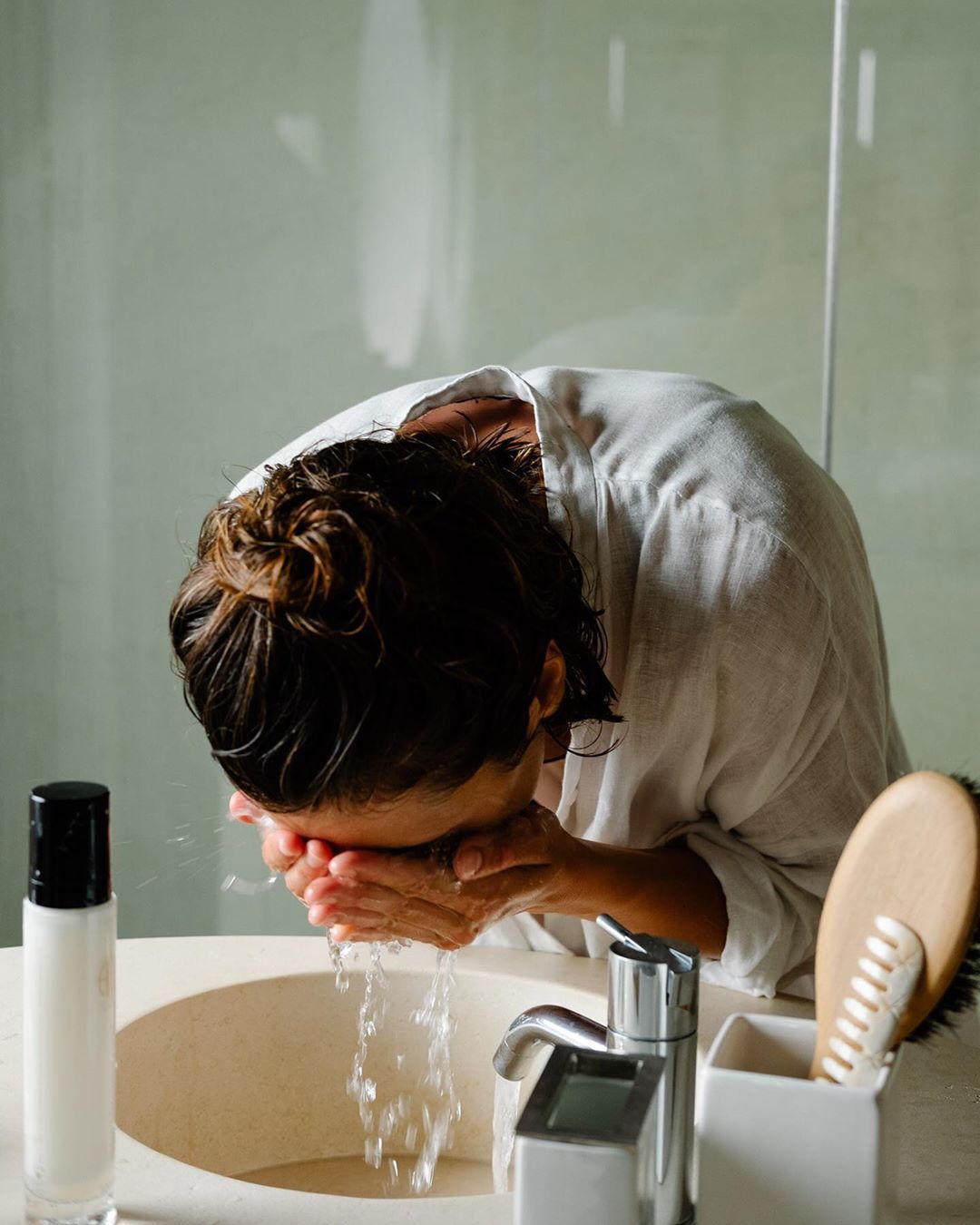
For years, the skincare industry has emphasized the importance of proper cleansing. Double cleansing, low-pH formulas, gentle surfactants — all of these concepts have become standard knowledge among skincare enthusiasts. But while everyone is talking about how to cleanse correctly, very few are asking a more critical question: are we cleansing too much?
As skincare routines become more sophisticated, a new issue is quietly emerging — over-cleansing. And unlike obvious mistakes such as harsh scrubs or high-percentage acids, over-cleansing often hides behind products labeled “gentle,” “hydrating,” or “for sensitive skin.”
In 2026 and beyond, over-cleansing may become one of the most overlooked causes of compromised skin health — and Korean skincare already offers a smarter solution.
What Is Over-Cleansing — Really?
Over-cleansing doesn’t mean using aggressive soaps or alcohol-based washes. In modern skincare, it’s far more subtle.
Over-cleansing happens when:
-
cleansing is too frequent
-
cleansing time is too long
-
multiple cleansers are layered unnecessarily
-
even mild surfactants are used without recovery
In other words, the problem isn’t the cleanser alone — it’s the cumulative stress cleansing places on the skin barrier.
Skin is not designed to be repeatedly stripped, rinsed, and reset multiple times a day. Each cleansing session, no matter how gentle, removes not only impurities but also lipids, microbiota, and protective components essential for skin balance.
Why “Gentle” Cleansers Can Still Damage the Barrier
One of the biggest misconceptions in skincare is that a mild formula is harmless under any conditions. In reality, even low-pH, sulfate-free cleansers can disrupt the skin barrier when overused.
Here’s why:
-
Surfactants work by dissolving oils — including the skin’s own lipids
-
Frequent cleansing reduces ceramides and natural moisturizing factors
-
Water exposure alone increases transepidermal water loss
-
Repeated friction weakens the stratum corneum
The result is skin that feels “clean” but behaves poorly: tightness, dehydration, redness, sudden sensitivity, or unexplained breakouts.
Over time, the skin enters a state of chronic low-grade irritation — a condition that often goes unnoticed but accelerates aging and barrier breakdown!!!
Cleansing as a Stress Factor, Not a Neutral Step

Traditionally, cleansing is treated as a neutral or even purely beneficial step. But from a physiological perspective, cleansing is a controlled stressor.
Each cleanse triggers:
-
temporary barrier disruption
-
changes in skin pH
-
microbiome imbalance
-
increased water loss
Healthy skin can recover — if given time. The issue arises when cleansing stress is constant, leaving no recovery window.
This is where many modern routines fail: cleansing is performed morning and night, often followed by active-heavy products, with little emphasis on repair.
Why Over-Cleansing Is Becoming More Common
Ironically, over-cleansing is rising because consumers are more educated — not less.
Key contributing factors include:
-
the popularity of double cleansing even when makeup or sunscreen isn’t used
-
fear of clogged pores and breakouts
-
aesthetic obsession with “squeaky clean” skin
-
excessive product rotation and trend-driven routines
Social media also plays a role, normalizing frequent cleansing as a sign of discipline and self-care — even when the skin signals distress.
The Korean Perspective: Ultra-Low Irritation Cleansing
Korean skincare has long taken a more nuanced approach to cleansing. Rather than focusing on intensity, the emphasis is on skin tolerance and recovery.
Key principles of Korean cleansing philosophy include:
-
cleansing only as much as necessary
-
prioritizing barrier preservation over oil removal
-
using skin-compatible surfactants
-
minimizing friction and water exposure
In Korea, cleansing is not about removing everything — it’s about removing just enough.
What Ultra-Low Irritation Cleansing Looks Like

This approach shifts the mindset entirely. Instead of asking: “How clean does my skin feel?”. The better question becomes: “How well does my skin recover after cleansing?”.
Ultra-low irritation cleansing involves:
-
shorter cleansing time (20–30 seconds)
-
lukewarm water only
-
using one cleanser when appropriate
-
skipping morning cleanses for dry or sensitive skin
-
choosing formulas with barrier-support ingredients
Many Korean cleansers now include ceramides, panthenol, centella asiatica, and even postbiotics, transforming cleansers from stripping agents into protective tools.
Signs Your Skin Is Over-Cleansed
Over-cleansing often masquerades as other skin issues. Warning signs include:
-
skin that feels tight immediately after washing
-
sudden sensitivity to products you used before
-
oiliness combined with dehydration
-
redness without visible irritation
-
breakouts that worsen despite “clean” routines
These symptoms are often misdiagnosed as acne, aging, or product incompatibility — when the real culprit is cleansing stress.
Reframing Clean Skin: Calm Is the New Clean
The future of skincare will redefine what “clean skin” actually means.
- Clean skin is not tight, squeaky, matte immediately after washing!
- Clean skin is calm, comfortable, balanced, able to retain moisture! This shift aligns perfectly with the barrier-first and skin health movements shaping modern K-beauty.
Why This Matters for the Future of Skincare

As consumers move away from aggressive routines, cleansing will become a critical differentiator. Brands that understand cleansing as a stress factor — and design products accordingly — will earn long-term trust.
Education around over-cleansing also positions brands as:
-
science-led
-
skin-health focused
-
consumer-conscious
-
aligned with longevity skincare
This is not about cleansing less — it’s about cleansing smarter.
Conclusion
Over-cleansing is emerging as one of the most underestimated skin concerns of the modern skincare era. Even gentle cleansers can compromise the skin barrier when used without intention or recovery. Korean skincare offers a clear alternative: ultra-low irritation cleansing that respects the skin’s natural defenses and prioritizes long-term health over instant results.
For brands and retailers looking to stay ahead of this shift, partnering with a trusted korean skincare wholesale exporter ensures access to next-generation cleansing formulas designed for barrier protection, tolerance, and true skin wellness.