

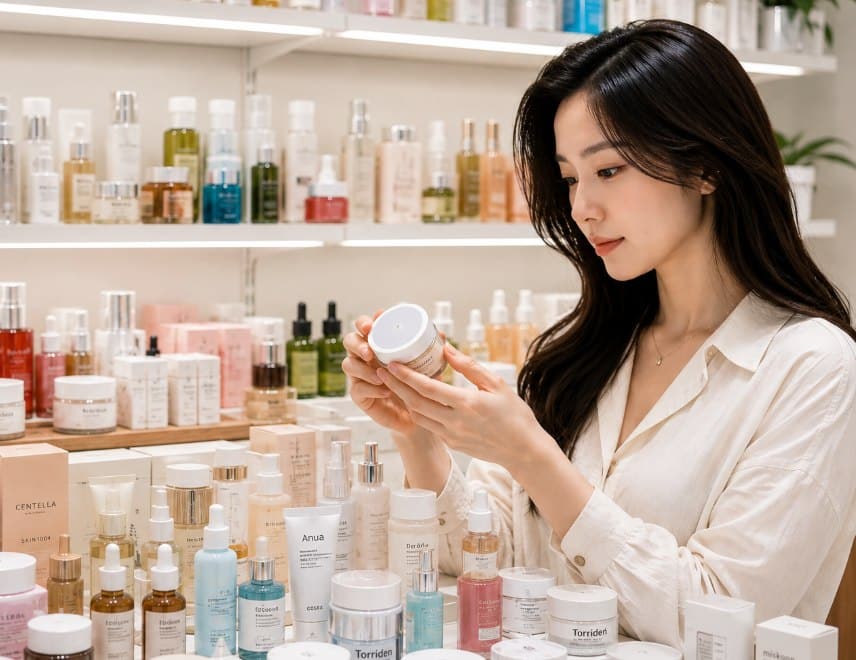
The global demand for Korean skincare continues to grow, but today’s market is very different from what it was just a few years ago. Consumers are becoming more informed, ingredient-focused, and selective about the products they buy. At the same time, retailers face increasing competition, making it more important than ever to choose the right brands for their business.
Selecting a Korean skincare brand is no longer just about finding attractive packaging or following the latest social media trend. Successful retailers build product portfolios that encourage repeat purchases, meet customer expectations, and remain relevant even after viral trends fade.
Whether you are launching a new beauty store, expanding your online shop, or looking for a reliable wholesale partner, understanding what makes a Korean skincare brand successful can help you make smarter purchasing decisions.
Understand Your Target Customer Before Choosing a Brand
One of the biggest mistakes new retailers make is choosing products based on personal preference rather than customer demand. A brand that performs exceptionally well in one market may struggle in another because consumer expectations vary significantly.
Before evaluating any supplier or product line, define exactly who your customers are.
Ask yourself:
- Are you targeting first-time skincare users or experienced beauty enthusiasts?
- Is your audience looking for affordable daily skincare or premium formulations?
- Do they care most about clean beauty, vegan ingredients, anti-aging solutions, or barrier repair?
- Which age group represents your primary customer base?

Today’s consumers are increasingly ingredient-conscious. Instead of asking for a specific brand, many shoppers search for products containing ceramides, PDRN, retinal, peptides, Centella Asiatica, panthenol, probiotics, or fermented ingredients.
This shift means that successful retailers should think beyond brand recognition. The brands you choose should align with the skincare concerns your customers are actively trying to solve.
Look Beyond Viral Products
Social media has transformed the beauty industry. A single product can become a bestseller overnight thanks to TikTok or Instagram. However, building an entire business around viral products can be risky. Trends change quickly, and customer demand often shifts just as fast.
Instead of focusing only on trending items, evaluate whether a brand offers:
- A complete skincare routine rather than one hero product.
- Multiple product categories that encourage repeat purchases.
- Consistent product development and innovation.
- High-quality formulations that remain relevant long after trends fade.
Evergreen categories such as cleansers, moisturizers, sunscreen, barrier repair products, and hydrating toners often generate more stable long-term revenue than short-lived viral launches. A balanced assortment should combine trend-driven products with reliable everyday essentials.
Modern consumers buy into ideas as much as they buy products. A clear brand philosophy helps customers understand why a product exists and builds long-term loyalty. Some Korean brands focus on minimalist skincare routines, while others emphasize microbiome support, skin barrier repair, vegan formulations, fermented ingredients, or dermatologist-inspired solutions.
Ask yourself whether the brand communicates a consistent message across its product range. Customers increasingly appreciate brands that solve real skincare concerns rather than promising unrealistic transformations. Brands built around gentle formulations, skin health, and scientifically supported ingredients tend to perform well because they align with current consumer preferences.
Ingredients Matter More Than Ever
Today’s shoppers are remarkably well informed. Many research ingredient lists before making a purchase and often arrive with specific actives already in mind.
Some of the most sought-after ingredients in today’s market include:
- Ceramides and panthenol for barrier repair and hydration.
- PDRN, peptides, and retinal for skin renewal and healthy aging.
- Centella Asiatica for soothing sensitive skin.
- Niacinamide for brightening and balancing.
- Beta-glucan, probiotics, and ectoin for long-lasting hydration and skin resilience.

Rather than offering products with dozens of trendy ingredients, consumers increasingly value formulations where every ingredient has a clear purpose. Retailers should prioritize brands that combine innovation with evidence-based formulation rather than relying solely on marketing claims.
Consider Repeat Purchase Potential
A successful retail business depends not only on acquiring new customers but also on encouraging existing customers to return. Products that become part of a daily routine naturally generate higher repeat purchase rates. When evaluating a Korean skincare brand, consider whether its assortment includes products customers use every day, such as cleansers, toners, moisturizers, sunscreen, and scalp care.
Products that solve ongoing concerns like hydration, sensitivity, barrier support, or scalp health are often repurchased more consistently than highly specialized treatments. Building your assortment around everyday essentials creates predictable revenue while allowing trend-driven products to generate additional excitement.
Think About Product Range, Not Individual Products
Many businesses initially purchase only one or two bestselling products. While this may seem like a safe strategy, it often limits future growth. Instead, choose brands with a well-developed product ecosystem. For example, a customer who enjoys a cleanser may later purchase the toner, serum, moisturizer, sunscreen, and weekly treatment from the same brand.
This creates several business advantages:
- Higher average order values as customers expand their routines over time while remaining loyal to a single brand they trust.
- Stronger customer retention because shoppers are more likely to repurchase complementary products instead of switching to competitors.
Brands with complete skincare systems allow retailers to cross-sell naturally without relying on constant promotional campaigns.
Choose a Reliable Wholesale Partner
Even outstanding products can become difficult to sell if supply is inconsistent. When selecting a wholesale supplier, consider more than pricing.

Important factors include:
- Stable inventory and reliable fulfillment.
- Authentic products sourced directly from Korean manufacturers.
- Efficient international shipping.
- Responsive customer support.
- Experience working with retailers and distributors.
- A diverse portfolio that allows your business to grow without constantly changing suppliers.
Working with an experienced wholesale partner also provides valuable market insight. They often understand emerging ingredient trends, seasonal demand, and new product categories before they become mainstream. This knowledge can help retailers stay ahead of competitors.
Build a Long-Term Strategy Instead of Chasing Trends
The Korean skincare market evolves rapidly, but the most successful retailers focus on long-term customer trust rather than temporary hype. Consumers increasingly value transparency, effective formulations, and routines that support overall skin health instead of promising overnight miracles. Retailers who build their assortment around these principles are more likely to develop loyal customer bases and sustainable business growth.
Instead of asking, “Which product is trending today?” ask a more valuable question:
“Which products will my customers still be buying next year?”
That mindset leads to stronger purchasing decisions, healthier inventory management, and better profitability over time. As ingredient-focused shopping continues to shape the global beauty industry, partnering with an experienced korean skincare wholesale exporter gives retailers access to innovative formulations, reliable supply chains, and carefully selected Korean skincare brands that meet evolving consumer expectations.
B2B sourcing next step
Use this brand-selection guide as a starting point for product research, not as a confirmation of current availability, territory suitability, pricing, or documentation for a specific item.
Browse Featured Brands for a starting selection. For minimum order, payment, shipping, and export-document questions, read the Wholesale FAQ.
For a practical availability and quotation review, use the Wholesale enquiry form and include the brand, item name or product link, and estimated quantity.